Joint Injection Therapy & Pain Relief
Targeted pain relief through precise, minimally invasive treatment delivered directly to the source of your discomfort.
Schedule a Consultation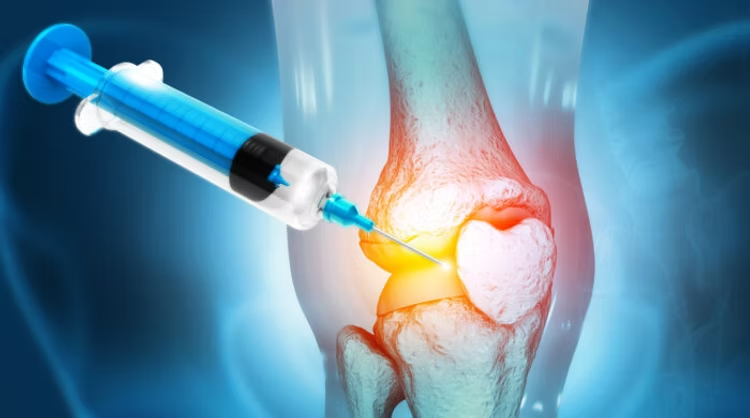
Benefits of Joint Injections
Joint injections deliver a small dose of anti-inflammatory steroid directly to the site of the joint problem, ideally resulting in decreased inflammation and as a result, decreased pain for a period of time.
However, the effectiveness of joint injections varies widely. Some patients are highly responsive to steroids and from a single injection, can experience pain relief that lasts for months or even years, enabling them to delay the need for surgery indefinitely. But for others, the degree of pain relief and the duration of that relief may be shorter.
For patients whose age or pre-existing health conditions make them ineligible for joint replacement surgery, repeated joint injections can be a viable solution for long-term pain management.
What is Involved with a Joint Injection?
During a joint injection, a healthcare provider will use a needle and syringe to apply a small amount of medication directly to the site of inflammation in the joint.
The medication used is a steroid such as triamcinolone, which is a localized anti-inflammatory and different from the anabolic type of steroids people use to build muscle.
Joint injections usually combine anti-inflammatory steroids together with lidocaine, which causes initial numbness to the area, and helps the steroid disperse through the joint. A well-placed injection will provide immediate pain relief because of the lidocaine.
Common Locations for Joint Injections
Steroid injections are most often prescribed because of arthritis or other inflammation that causes pain in a joint. The most common sites for joint injections include:
The anatomical structure of each joint can affect the difficulty of the procedure. The amount of pain involved in an injection varies by joint, and depends on the size of the joint area, the amount of inflammation, the size of the needle, and the patient's anxiety level.
Some joints, such as those that are smaller and more sensitive (like in the hands and feet) are so painful to inject that a doctor may refuse to administer injections to those areas.
Learn More About Joint Injections
Ready to Find Relief?
Contact us today to discuss whether joint injections may be right for you. Our experienced healthcare providers will evaluate your condition and recommend the best treatment approach.
Related Services
Explore other services that complement your healthcare needs